


TOP-7 Pros and Cons of Virtual Reality
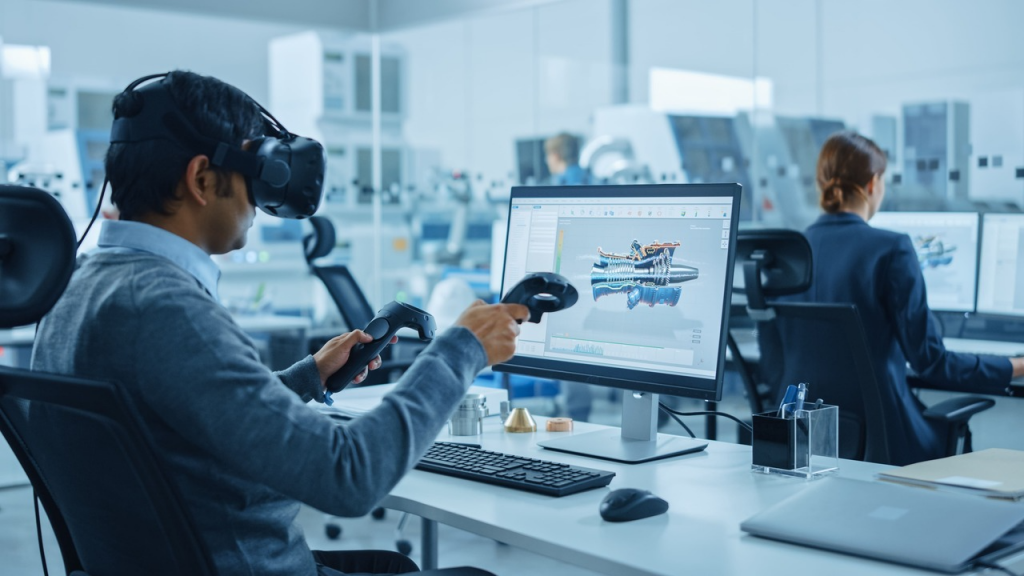
Virtual Reality (VR) is a cutting-edge technology that has captured the imagination of many. It promises to transform the way we interact with digital content, offering immersive experiences that were once only the stuff of science fiction. In this article, we will delve into the pros and cons of virtual reality, exploring the advantages it brings to the table as well as the challenges it poses. Join us on this journey through the virtual realm, where we’ll examine the impact of VR on technology, users, and society as a whole.
Pros and Cons of VR — Comparative Table
Cons
1. High Cost
The high cost of VR technology can be a significant barrier to entry. Quality VR headsets and capable hardware can be expensive, limiting access for budget-conscious consumers.
2. Health Concerns
Some users may experience motion sickness, eye strain, or other discomfort when using VR. The sensory dissonance between virtual and real-world movements can lead to these issues.
3. Limited Mobility
Depending on the VR setup, users may be constrained in their physical movements. Room-scale VR requires dedicated space, which not everyone may have available.
4. Social Isolation
Extended use of VR can lead to social isolation as users become engrossed in the virtual world, neglecting real-world interactions. Striking a balance between virtual and real-life relationships is crucial.
5. Technical Limitations
VR technology is still evolving, and there may be limitations in graphics quality, latency, and overall performance. Users may encounter technical challenges and occasional glitches.
6. Adaptation Challenges
For some individuals, adapting to the sensory overload and disorientation caused by VR experiences can be challenging. It may take time to acclimate to this new form of digital interaction.
7. Accessibility Concerns
Not everyone has access to the necessary hardware or equipment required for a seamless VR experience. Economic disparities and technological limitations can hinder widespread adoption.
Despite the exciting possibilities offered by virtual reality, there are certain drawbacks to consider. Firstly, the high cost of VR equipment can be a barrier for many individuals, limiting widespread adoption. Additionally, some users may experience motion sickness or discomfort due to the sensory dissonance between virtual and real-world movements. Moreover, limited content availability can restrict the variety of experiences accessible to users. However, with the Varwin platform, you can create an unlimited amount of 3D/VR content for virtual projects. Finally, prolonged use of virtual reality may lead to social isolation as users become engrossed in their virtual environments.
The high cost of VR technology can be a significant barrier to entry. Quality VR headsets and capable hardware can be expensive, limiting access for budget-conscious consumers.
2. Health Concerns
Some users may experience motion sickness, eye strain, or other discomfort when using VR. The sensory dissonance between virtual and real-world movements can lead to these issues.
3. Limited Mobility
Depending on the VR setup, users may be constrained in their physical movements. Room-scale VR requires dedicated space, which not everyone may have available.
4. Social Isolation
Extended use of VR can lead to social isolation as users become engrossed in the virtual world, neglecting real-world interactions. Striking a balance between virtual and real-life relationships is crucial.
5. Technical Limitations
VR technology is still evolving, and there may be limitations in graphics quality, latency, and overall performance. Users may encounter technical challenges and occasional glitches.
6. Adaptation Challenges
For some individuals, adapting to the sensory overload and disorientation caused by VR experiences can be challenging. It may take time to acclimate to this new form of digital interaction.
7. Accessibility Concerns
Not everyone has access to the necessary hardware or equipment required for a seamless VR experience. Economic disparities and technological limitations can hinder widespread adoption.
Despite the exciting possibilities offered by virtual reality, there are certain drawbacks to consider. Firstly, the high cost of VR equipment can be a barrier for many individuals, limiting widespread adoption. Additionally, some users may experience motion sickness or discomfort due to the sensory dissonance between virtual and real-world movements. Moreover, limited content availability can restrict the variety of experiences accessible to users. However, with the Varwin platform, you can create an unlimited amount of 3D/VR content for virtual projects. Finally, prolonged use of virtual reality may lead to social isolation as users become engrossed in their virtual environments.
Pros
1. Immersive experience
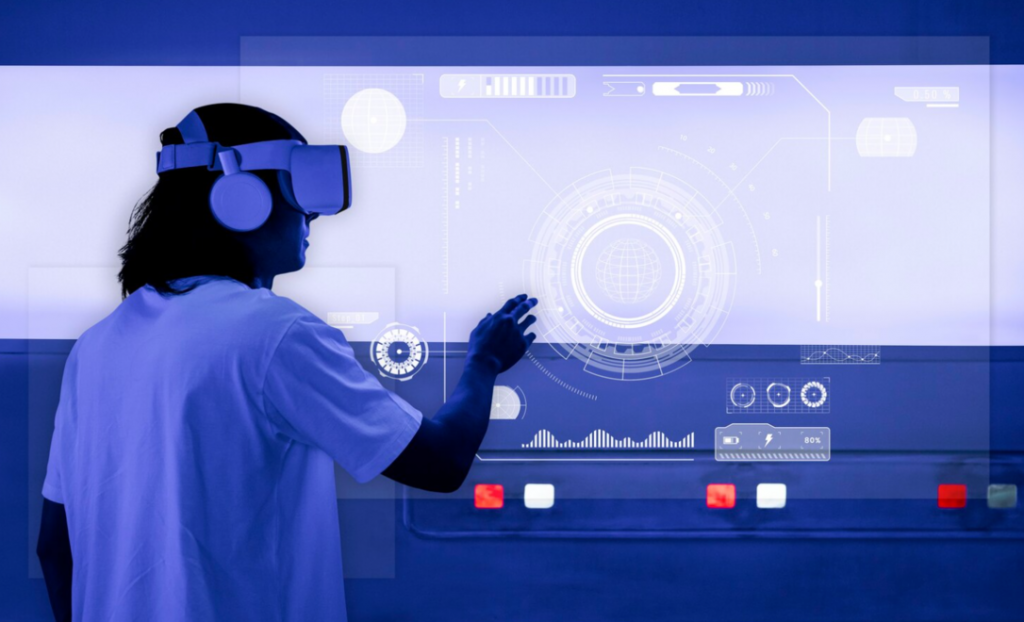
VR’s most striking feature is its ability to provide an immersive experience. It takes users to a realm where they can interact with a simulated environment as if they were physically present. This heightened sense of presence adds depth and realism to entertainment, education, and various professional applications.
2. Training and Simulations
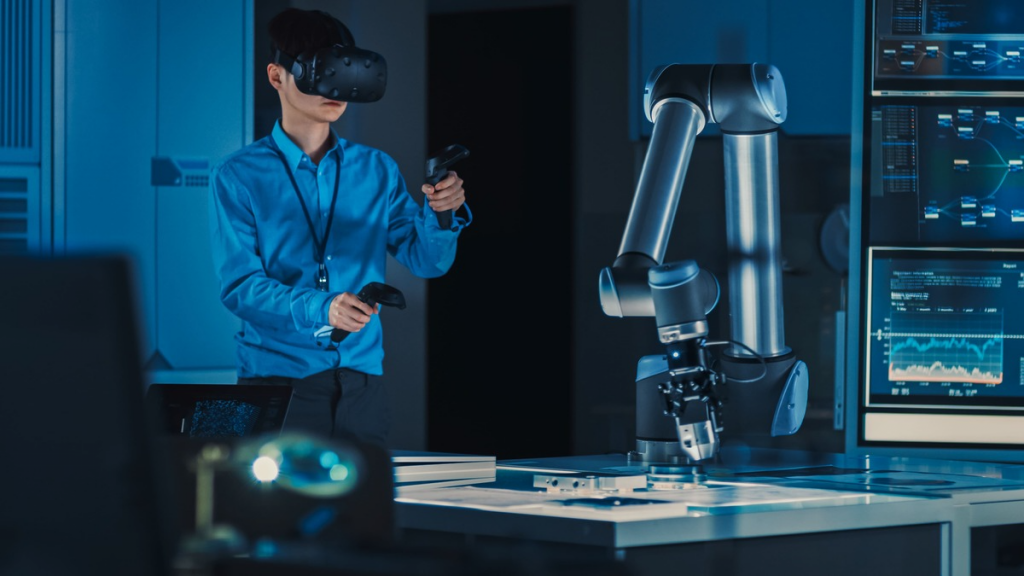
Virtual reality has revolutionized training across multiple industries. Whether it’s medical professionals practicing surgeries, pilots honing their skills in flight simulators, or first responders training for emergencies, VR provides a safe and controlled environment for realistic simulations. Check the examples of VR projects made by Varwin team.
3. Entertainment and Gaming
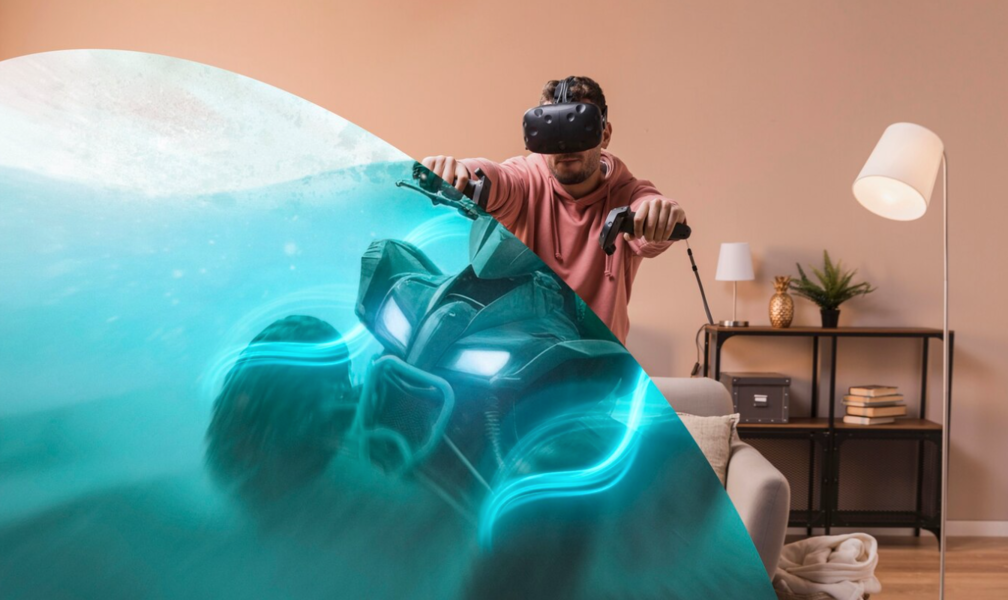
Gaming has witnessed a profound transformation thanks to VR. Gamers can now step inside their favorite game worlds and interact with characters and environments in unprecedented ways. VR gaming enhances engagement and immersion, making it a favorite among enthusiasts.
4. Architectural Visualization
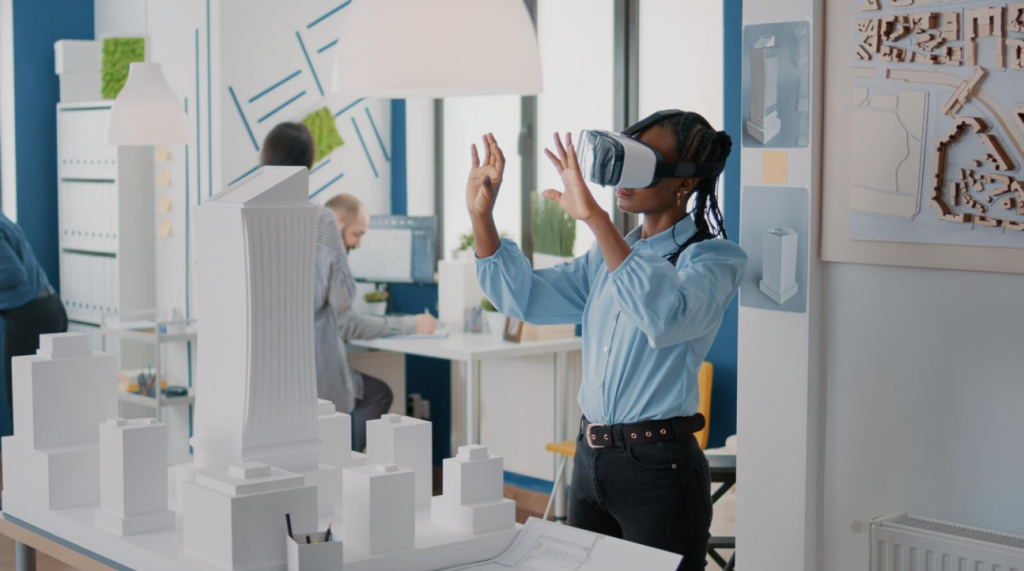
Architects and designers have embraced VR as a tool for architectural visualization. It allows stakeholders to take virtual tours of buildings before they are constructed, aiding in design evaluation and presentation. VR helps save time and resources in the architectural design process.
5. Therapeutic Applications
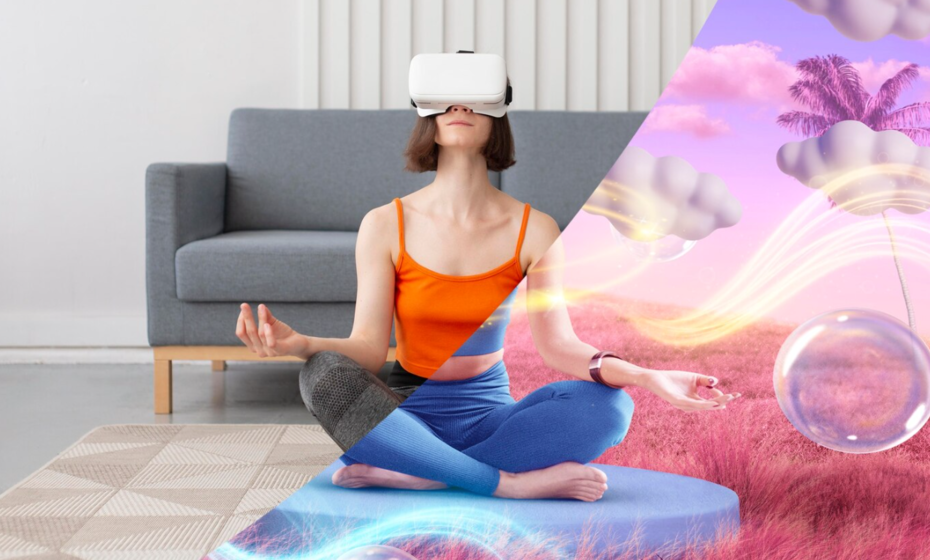
Virtual reality has shown remarkable potential in the field of therapy. It is used to treat phobias, post-traumatic stress disorder (PTSD), and anxiety disorders. VR-based exposure therapy helps patients confront and manage their fears in a controlled and gradual manner.
6. Virtual Tourism
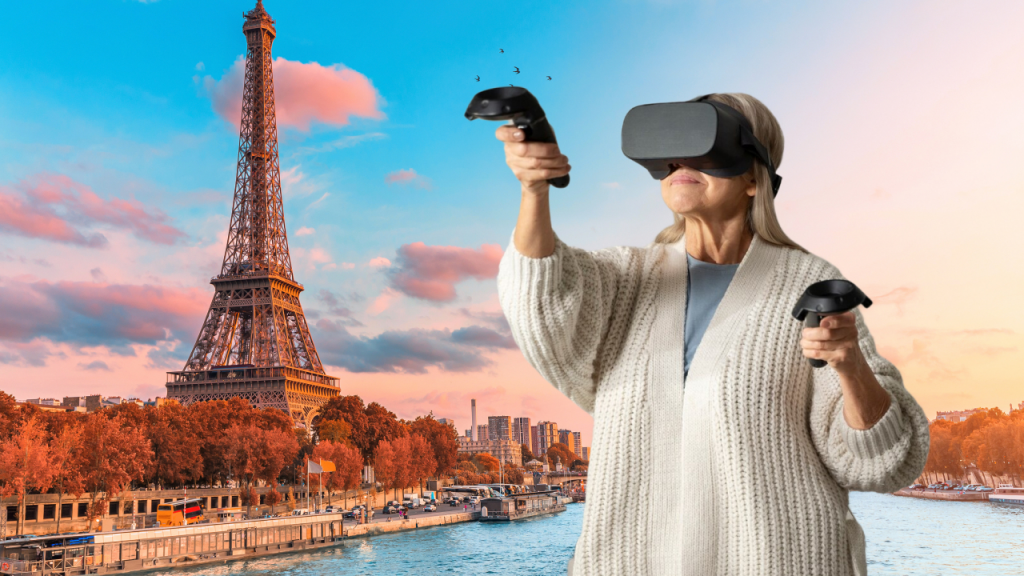
For those with wanderlust, VR offers a unique opportunity to explore the world from the comfort of their homes. Users can embark on virtual journeys, visit historical landmarks, and experience different cultures, all without leaving their living rooms.
7. Design and Prototyping
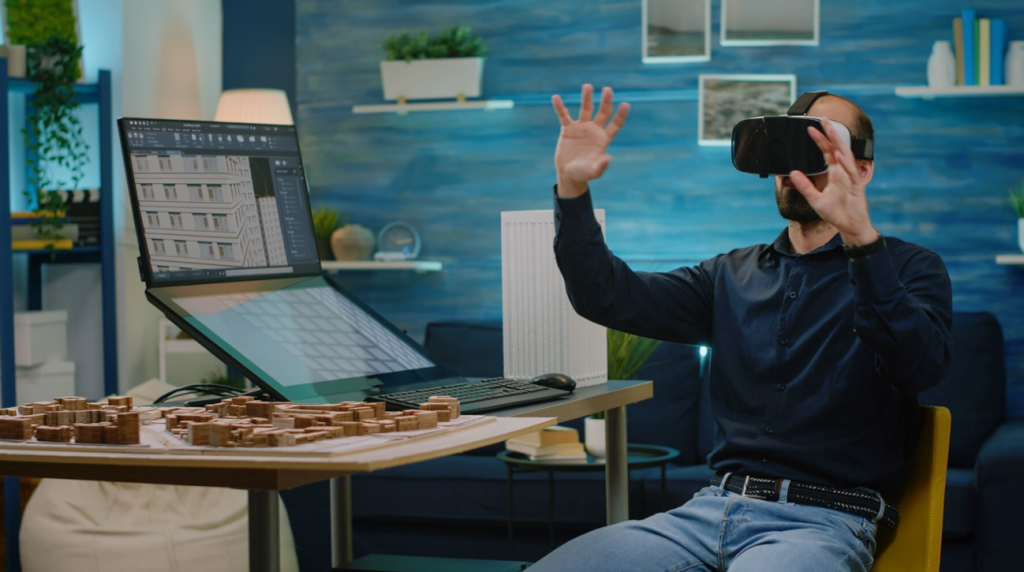
Designers and engineers benefit from VR’s ability to visualize prototypes in a three-dimensional space. This aids in design validation, streamlining the development process, and reducing errors and costs associated with physical prototypes.
On the other hand, virtual reality offers several advantages. One of the major benefits is an enhanced user experience. VR allows individuals to immerse themselves in realistic and interactive environments, creating a sense of presence and engagement. Furthermore, virtual reality has proven to be effective in training and education, offering hands-on experiences and simulations in fields like medicine, aviation, and engineering. Virtual travel and exploration enable people to visit distant places and historical landmarks without leaving their homes. Additionally, businesses can leverage VR for experiential marketing, enabling customers to interact with products before making a purchase.
On the other hand, virtual reality offers several advantages. One of the major benefits is an enhanced user experience. VR allows individuals to immerse themselves in realistic and interactive environments, creating a sense of presence and engagement. Furthermore, virtual reality has proven to be effective in training and education, offering hands-on experiences and simulations in fields like medicine, aviation, and engineering. Virtual travel and exploration enable people to visit distant places and historical landmarks without leaving their homes. Additionally, businesses can leverage VR for experiential marketing, enabling customers to interact with products before making a purchase.
FAQs on Pros and Cons of Virtual Reality
Virtual reality can be helpful in various ways. It facilitates immersive training experiences, improves learning outcomes, allows virtual exploration of places, and offers unique marketing opportunities, among others.
Virtual reality finds applications in everyday life, including entertainment, gaming, education, healthcare, architecture, and design. It can provide users with engaging experiences and practical solutions in different domains.
Virtual reality technology provides an enhanced user experience, immersing individuals in interactive environments that feel realistic. It also offers opportunities for training, education, and virtual travel, among other applications.
Let's Check VR Pros With Us
Virtual Reality (VR) has indeed emerged as a game-changer in multiple fields. Its immersive experiences have found applications not only in gaming and entertainment but also in industries like healthcare, manufacturing, and education. For instance, VR is being utilized in medical training to simulate surgeries and in manufacturing to offer realistic virtual tours of production facilities before they are built.
Moreover, the potential for VR in therapy and rehabilitation is proving to be groundbreaking. It allows patients to engage in virtual environments that aid in their recovery process. This is particularly effective for individuals with mobility issues or those dealing with phobias.
However, it’s important to acknowledge the hurdles that VR technology faces. The cost of entry, including high-quality headsets and compatible hardware, can be a significant barrier for many potential users. Additionally, concerns about motion sickness and discomfort during prolonged use remain pertinent.
Furthermore, privacy and security issues must be addressed to ensure that users feel secure in their virtual experiences. As VR becomes more integrated into our daily lives, these concerns will demand careful attention and solutions.
As technology continues to advance, we can expect VR to become more accessible and refined, potentially overcoming some of these current challenges. For now, embracing the pros while remaining aware of the cons is the best approach to make the most out of this exciting technology. Whether you’re an early adopter or cautiously observing from the sidelines, virtual reality is undeniably shaping the future of digital interaction. So, why not step into the virtual world and experience its potential firsthand?
With Varwin, you can harness this transformative technology to create interactive virtual projects tailored to your needs. From architectural walk-throughs to immersive training simulations, VR offers a wide range of possibilities. Varwin’s comprehensive VR solutions can help mitigate many of issues, employing cutting-edge technology to provide smooth, immersive experiences for a broad audience. Furthermore, with its user-friendly interface and wide compatibility, Varwin prioritizes accessibility, breaking down technological barriers to pave the way for broader VR adoption. Despite the potential drawbacks, the captivating world of VR awaits, promising a breathtaking exploration into the future of digital interaction.
Moreover, the potential for VR in therapy and rehabilitation is proving to be groundbreaking. It allows patients to engage in virtual environments that aid in their recovery process. This is particularly effective for individuals with mobility issues or those dealing with phobias.
However, it’s important to acknowledge the hurdles that VR technology faces. The cost of entry, including high-quality headsets and compatible hardware, can be a significant barrier for many potential users. Additionally, concerns about motion sickness and discomfort during prolonged use remain pertinent.
Furthermore, privacy and security issues must be addressed to ensure that users feel secure in their virtual experiences. As VR becomes more integrated into our daily lives, these concerns will demand careful attention and solutions.
As technology continues to advance, we can expect VR to become more accessible and refined, potentially overcoming some of these current challenges. For now, embracing the pros while remaining aware of the cons is the best approach to make the most out of this exciting technology. Whether you’re an early adopter or cautiously observing from the sidelines, virtual reality is undeniably shaping the future of digital interaction. So, why not step into the virtual world and experience its potential firsthand?
With Varwin, you can harness this transformative technology to create interactive virtual projects tailored to your needs. From architectural walk-throughs to immersive training simulations, VR offers a wide range of possibilities. Varwin’s comprehensive VR solutions can help mitigate many of issues, employing cutting-edge technology to provide smooth, immersive experiences for a broad audience. Furthermore, with its user-friendly interface and wide compatibility, Varwin prioritizes accessibility, breaking down technological barriers to pave the way for broader VR adoption. Despite the potential drawbacks, the captivating world of VR awaits, promising a breathtaking exploration into the future of digital interaction.
Customized VR development on the Varwin XRMS Platform
Varwin specializes in developing B2B-solutions using its own VR constructor. We develop VR projects for any task: virtual simulators for industry, marketing, retail and others.
VR solution for merchandising and trade marketing
VR simulator for fork and reach truck safety training at FM Logistics
We develop virtual reality solutions for any task and make managing your VR projects simple with the Varwin XRMS platform — no programming knowledge required. Varwin XRMS cross-platform is configured from the very beginning: it allows VR projects to run on most popular platforms and VR devices.
Varwin XRMS
Varwin XRMS is a platform based on the Unity engine. But with the XRMS platform, users without any programming skills are able to easily manage and make changes to VR projects.
This means that Varwin XRMS users have the power to create, edit, and control their 3D and VR content. No developers or programmers are required. In addition to simplicity and independence, the XRMS platform also offers compatibility.
This means that Varwin XRMS users have the power to create, edit, and control their 3D and VR content. No developers or programmers are required. In addition to simplicity and independence, the XRMS platform also offers compatibility.
Because the XRMS platform is based on the Unity framework, VR projects can be developed in both programs. For development in Unity, we offer Varwin SDK. This is a software development kit that makes it simple to export objects from Unity to the Varwin XRMS. Content such as objects and scene templates can be created in Unity and then migrated to the XRMS platform with the help of the Varwin SDK application.

Customers without any programming skills are able to easily manage and make changes to VR projects. This means that Varwin XRMS users have the power to create, edit, and control their 3D and VR content. No developers or programmers are required. In addition to simplicity and independence, the XRMS platform also offers compatibility.
Our team of experts is here to guide you every step of the way, providing support and guidance as you navigate the vibrant realm of VR. Your virtual reality awaits!
Our team of experts is here to guide you every step of the way, providing support and guidance as you navigate the vibrant realm of VR. Your virtual reality awaits!
Start implementing VR with Varwin
Submit your request, and our managers will contact you.

Pikirinne 4, 02810 Espoo, Finland
3500 South DuPont Highway, Dover, DE 19901, USA
office@varwin.com
Sitemap
3500 South DuPont Highway, Dover, DE 19901, USA
office@varwin.com
Sitemap
© 2026 Varwin. All rights reserved